


You can always feel when it’s about to rain in the bush. There’s a quiet tension in the air, and then a slight breeze picks up from nowhere that tells us it’s on its way, and that faint smell of rain that clings to everything. Then, without much warning, the first few drops begin to fall – slow at first, then building into a steady downpour. But this is a blessing; the rain brings with it a sense of relief, giving the landscape what it so desperately needs.

The Nhlanguleni Female spending time in the Sand River during a serious onset of rain.
Initially skittish female who transformed into a regular presence. Made history by raising first intact litter since her own generation.
We often focus on the big moments out here, like the lions roaring and the leopards hunting, but when the rains arrive, the real magic starts at ground level. The entire ecosystem shifts in a series of quiet, interconnected reactions, each one setting the next into motion.
So, what actually happens when it rains?
Step 1: The Soil Wakes Up
The first thing to respond is the ground itself. That earthy smell that fills the air after the first rain is called petrichor. It’s produced by a type of bacteria in the soil, and it signals that a hidden layer of nutrients is being unlocked. The rain washes away the dust, softening the earth and creating the perfect conditions for seeds that have been lying dormant to finally germinate.

The incredible smell of petrichor (the distinct smell of the earth after rain) is sometimes so strong that it can transport you back in time, to another place where rain became something of a spiritual experience.
Within days, tiny green shoots push through the soil, bringing on what we call the green flush. It’s one of the most beautiful transformations to witness – dry, lifeless ground turning into a carpet of new life. But beyond its beauty, it marks the start of a season of plenty for every grazer on the reserve.

A Bee-eater just moments after catching a butterfly.
Step 2: The Insect explosion
Once the soil softens and the air warms, the insects arrive almost instantly and in droves. Termites, ants, beetles, and butterflies all begin to emerge in huge numbers. These insects are some of the most important workers in the ecosystem.

Winged termites, known as alates, are among the first to appear after a storm, creating a feeding frenzy for birds, reptiles, and even mammals. Hornbills, rollers, and starlings swoop through the air in pursuit, while hyenas, mongooses, and genets feast on the ones that don’t take off fast enough. These brief swarms act like a spark, igniting the food chain back into action and helping recycle nutrients back into the soil.

Two cute Dwarf Mongoose are in fact the smallest carnivores on the African continent and are responsible for eating insects, invertebrates and even small snakes.
Step 3: A Feast for the Herbivores
As the first grass shoots begin to appear, herbivores waste no time taking advantage. Impalas, wildebeest, and zebras that have been lingering around the last remaining waterholes spread out across the landscape in search of fresh grazing. The young grass is soft, full of nutrients, and easy to digest perfect for helping animals recover after the harsh dry months.

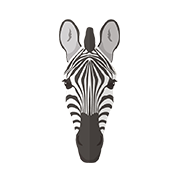
A young zebra enjoys grazing on the fresh grass after the rains
This flush of new food also sets the stage for one of the bush’s great seasonal shifts: synchronized breeding. For species like impala and wildebeest, the timing of births is closely tied to the rains. When food is plentiful, mothers are strong enough to support their young, and within a few months, the bush will be alive with lambs and calves – a time of abundance that benefits predators too.

A herd of impala prance past a group of grazing Wildebeest.
Step 4: Adapting to a New World
For the predators, the landscape changes overnight. The long grass and fresh scents make stalking and ambushing far more difficult. Lions and leopards must adjust their hunting strategies, relying more on patience and positioning than on open chases.
At the same time, the new abundance of young prey means more opportunity. For a few weeks, survival in the bush becomes a delicate balance as some animals thrive, others learn fast, and the cycle of life continues.

The Ximungwe Female drags an Impala across the grassland just moments after a successful hunt.
Having been viewed by vehicles from an early age, this leopard is supremely relaxed around Land Rovers.
The availability of water also reshapes movement. With new pans and puddles scattered across the reserve, animals no longer need to gather at the Sand River and large water holes. Herds disperse, territories shift slightly, and the bush begins to feel more alive and unpredictable.

A spectacular sighting of a herd of Buffalo approaching a Waterhole at sunset.
A Season of Renewal
The rain isn’t just a welcome relief it’s the heartbeat that keeps this entire ecosystem alive. From the tiniest termite breaking down nutrients to the herds grazing on new shoots, every drop plays a part in renewing the landscape.
For those of us lucky enough to witness it, it’s a reminder of how connected everything truly is. The sound of rain on the leaves, the smell of wet earth, the sight of Zebra dancing in the drizzle, it all tells a story of life beginning again.
So next time those dark clouds build on the horizon, grab a poncho and head out. There’s no better time to explore the bush than when it rains, when everything feels fresh, alive, and full of possibility.

A stunning rainbow appears after the storm subsides at Londolozi


Hi, here’s been raining all day… a sort of deluge! But we are in autumn. So nature wears her best colours and foliage to me, while preparing to be dormant. Robins and other birds are part of this concert of colours. None the less, while here, like there grass always grows fast and bright and small creatures make good use of it, and the chain goes on… wonderful pictures and rendering. So pleased to see the Nhlanguleni female! She’s one of the most beautiful leopard and do you know if she has a chance with cubs? Lovely. Also buffalo mist and the zebra foal, light after rain is always rewarding…
Thanks for the comment Francesca, rain brings the water which is the source of life!
The Nhlanguleni Female is doing well albeit ageing. We hope she is preparing to have a litter in the rainy season.
Hi Nick, I love the smell of rain and to see how it transforms the environment into beautiful lush green grass for the herbivores to feast on. Dams and rivers start filling up and the bush comes alive in a matter of days after it has rained. November month is usually the time the impala and blue wildbeast start giving birth, a time for a new generation. Nature is so beautiful, we as people can learn so much from nature and the animal and their behavior.
The smell of Petrichor is the best! Its always an entertaining time of the year as mud wallow fill up, elephants spend long hours bathing themselves and the Impala lambing season is so exciting!
Love your photo of the rainbow at the end of your blog, that truly brings to mind renewal and joy. It seems the winter months allow the bush and its inhabitants to enjoy a well needed rest, in order to fully wake when the first rains arrives. I love that the grasses change rather quickly from brown to green, the female impalas swell with life that will soon appear and water builds up in mud-cracked depressions. What a glorious time to observe.
Thank you, Denise. The bush has literally transformed in the last few weeks which is magical to experience.
So nice to see a picture of the Nhlanguleni female again. Rain in the bush feels so good.
Here in Europa one is sometimes a bit fed up with endless rain, however after the dry wintermonths in the bush it must really be heaven for all creatures, small and big , plants, animals and humans alike when the rain finally arrives.
Thanks for the comment Christa. There sure is a huge relief when the rain finally arrives!
Nick, Thanks for your educational insights about the rains! We have never been rained on in all the years we have been coming!